JSON syntax square brackets are vital to how JSON information is arranged and organised. Any web tool like APIs, data conversion tools or formatting software frequently encounters square brackets within JSON documents. Knowing their function can help users understand the data in a correct manner, avoid syntax errors, and understand structured data without errors.
JSON is a short form in the form of JavaScript Object Notation, and is one of the most frequently utilised formats for keeping and sharing data on the internet. Its format is easy to understand and understandable, yet each symbol serves a distinct purpose. These brackets depict a list of values that are grouped and referred to as arrays. They are very frequent in the real world of data use.
This document will explain JSON syntax and the square brackets in an easy and practical way, so that those using online JSON tools will be able to comprehend and utilise them with confidence.
What JSON Square Brackets Mean
The square brackets found in JSON Syntax are utilised to denote an array of objects that are which are put together in a certain arrangement. Instead of just storing one value, the square brackets can allow the storage of multiple values in a single structure. They can contain texts, numbers, or even false or true values and structured records. They can also be some other groups of lists.
When you encounter round brackets appearing in JSON Syntax this means that the data contained in it is part of the collection. The collection maintains its order and can be processed after item with software and other tools.
This format is extremely useful in the handling of lists, repeated, or other information.
Why Square Brackets Matter in JSON Data
They are crucial because the majority of modern software works using lists of data rather than single entries. In particular, they frequently return a variety of products such as users, messages or even records in one go. JSON arrays allow you to transfer and receive a grouping of data quickly.
They are used extensively for:
Product collections User lists
Results of a search
Categories and Tags
Logs and reports
API response
Bulk data exports
Without brackets in JSON Syntax wouldn’t be able to represent grouping data sets in a neat and well-organised manner.
Difference Between Square Brackets and Curly Brackets
Most people are confused by the curly and square brackets. Both serve different functions in the JSON structure.
Square brackets indicate value lists that are arranged in a particular order.
Curly brackets indicate organized records that are made up of name fields and their respective values.
In essence the square brackets refer to lists. Curly brackets refer to objects that have clearly labelled information. The majority of real JSON data utilizes both to create a complete and useful structure.
Knowing the difference is among the most important actions to understanding JSON right.
Nested Square Brackets in JSON
JSON can also support multi-level grouping in which there is a list inside another list. This can be used in representing data that resembles tables, grouped measurement data, or layering datasets.
Nested square brackets are a great way to arrange the information in different levels so it can be processed in a logical manner. However, the more intricate nesting adds complexity and, therefore, is only used in the case of a need.
Tools such as JSON viewers and formatters can make more neo-structural structures easy to understand and comprehend through the visual organisation.
Rules for Using JSON Square Brackets Correctly
To ensure that JSON Syntax accessible and valid the square brackets have to follow the strict rules of formatting. Each bracket opening must be accompanied by an identical closing bracket. The items on the list should be separated in a proper manner in order to avoid confusion. There should not be a separate separator following the item that is final.
Textual values should be written in a proper quotation marks, and also the structure inside must stay in balance. A slight error with brackets could break the whole JSON file, causing invalidation errors.
This is the reason that careful formatting and validation is always suggested prior to making use of JSON data within any software or system.
Common Mistakes Related to Square Brackets
A lot of JSON issues are directly related to improper use of square brackets. An insufficient closing bracket is among the most common issues. Separators that are not present at the top of a list can cause errors. The incorrect type of quotation marks in text could also cause problems with the parsing.
A different issue that is common is incorrect nesting in which lists with groups as well as structured records are not enclosed in the proper arrangement. These errors stop JSON from being properly read by converters and parsers.
Utilizing an online JSON validator, you can quickly spot these issues and pinpoint precisely where the problem is.
How JSON Tools Help Handle Square Brackets
The latest online JSON tools allow working with square brackets a lot easier. JSON viewers group information visually, allowing users to comprehend list structures in a short time. JSON formatters are able to automatically adjust spacing and layout issues, that improves the readability.
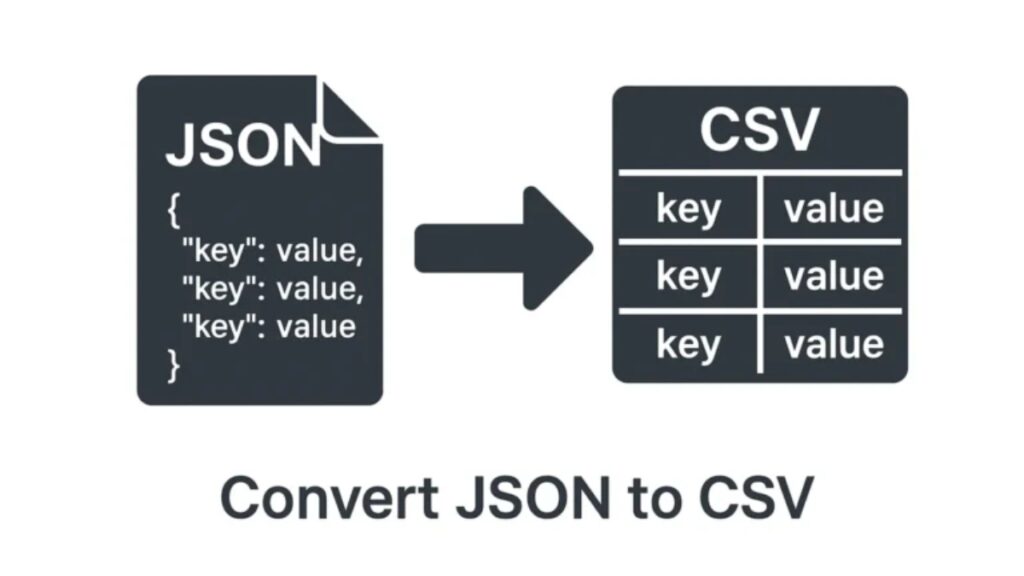
Validators ensure that they are balanced and are correctly put in the correct place. Converters employ array structures for transforming JSON into formats such as CSV or tables that can be used for analysis.
These programs are extremely useful for dealing with massive JSON documents where manual verification is time-consuming and laborious.
The Best Practices to Use When Working With JSON arrays
A good JSON method improves the reliability of JSON and minimises mistakes. It’s helpful to maintain the lists in logical order and beware of excessive deep nesting. The data contained in lists must follow an established pattern as often as is possible.
Always verify JSON before using it with converters or other applications. Make use of format tools to keep the structure simple and clear. Beware of manual editing for huge JSON files that do not support validation.
These practices help make JSON information easier to manage and reuse across various systems.
Practical Importance for Web Tool Users
for users of online JSON tools, knowing that square brackets are particularly important. A variety of tools, including JSON viewers Validators, formatters, validation and JSON to CSV converters, are heavily reliant on the correct structure of arrays.
When the use of square brackets is done properly, software can read or format information accurately. If they’re used improperly, they can cause processing to fail or produce inaccurate output.
The ability to master this concept greatly enhances your ability to use the tools for structured data.
Conclusion
JSON syntax use square brackets to symbolise grouped lists of values as well as form the core of the JSON structure. They enable multiple similar objects to be saved and processed at the same time that is crucial for modern data exchange as well as API responses.
Understanding how square brackets work as well as following proper formatting guidelines Users can stay clear of frequent syntax mistakes and work more efficiently when using JSON tools. The proper use of arrays will ensure that information is safe, easily readable, understandable, and easy to translate across types of formats as well as platforms.